New Long Island Homeowner? What You Should Know About Property Taxes
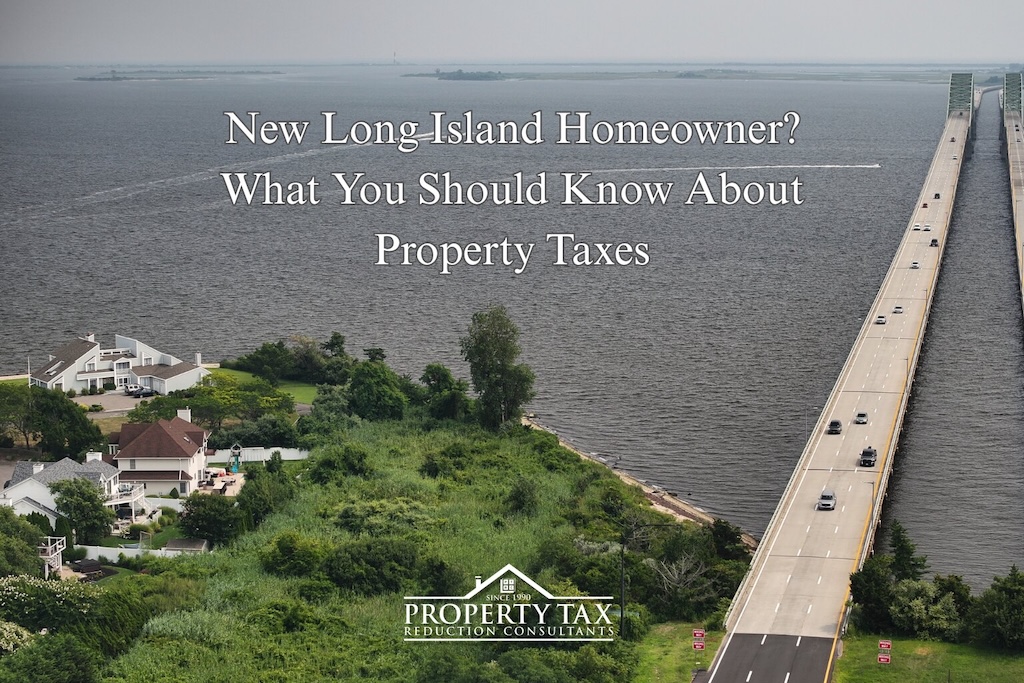
Buying a home is an exciting milestone but if you’re new to Long Island, one of the first surprises many homeowners face is the cost of property taxes on Long Island. These taxes are among the highest in the country, and understanding how they work is essential to managing your long-term housing costs.
This guide breaks everything down in simple terms from how taxes are calculated to why they increase and what you can do to lower them. Whether you’ve just closed on your home or are planning ahead, knowing how the system works can save you thousands over time.
Why Property Taxes Are Higher on Long Island
Property taxes on Long Island are higher than the national average, and there are a few key reasons why:
- School District Funding Structure. A large portion of your tax bill goes toward funding local public schools. On Long Island, school districts rely heavily on property taxes rather than state funding.
- Local Government Services. Your taxes also support essential services like police departments, fire protection, sanitation, and road maintenance.
- Strong Housing Market Demand. The high demand in the Long Island housing market drives property values up and higher values often lead to higher tax assessments.
Understanding How Property Taxes Are Calculated
To understand property taxes Long Island, you need to know three main components:
Assessed Value vs Market Value
- Market value is what your home would sell for
- Assessed value is what your local assessor uses to calculate taxes
These numbers are not always the same but they are closely related.
Equalization Rates
Equalization rates adjust assessed values so they reflect current market conditions. These rates vary between municipalities.
Local Tax Rates
Each county, town, and school district sets its own tax rate, which is applied to your assessed value.
The Major Components of a Long Island Property Tax Bill
Your property tax bill is made up of several parts:
- School Taxes. This is typically the largest portion, often more than 60% of your bill.
- County Taxes. These fund county-wide services such as law enforcement and social services.
- Town and Village Taxes. Local services like garbage collection, road repair, and zoning enforcement fall here.
- Special District Charges. Some areas include additional fees for water, fire districts, or libraries.
Nassau vs Suffolk County Property Tax Systems
Nassau County and Suffolk County operate under slightly different systems.
Differences in Assessment Methods
- Nassau County has undergone reassessment reforms in recent years
- Suffolk County uses a different class-based system in some areas
Reassessment Cycles
Some areas reassess properties annually, while others do so less frequently.
What New Buyers Should Expect
After purchasing a home, your property may be reassessed based on your purchase price—leading to higher taxes than the previous owner paid.
Exemptions That Can Reduce Your Property Taxes
Several programs can reduce your tax burden:
STAR Program
New York’s School Tax Relief program helps reduce school taxes for eligible homeowners.
Senior Citizen Exemptions
Available for qualifying homeowners aged 65 and older.
Veterans Exemptions
Provides benefits for those who have served in the military.
Disability Exemptions
Available for homeowners with qualifying disabilities.
Applying for these programs can significantly lower your annual bill.
Why Your Property Taxes May Increase After Buying a Home
This is one of the most common surprises for new homeowners.
- Reassessment Based on Sale Price. Your purchase price often becomes a benchmark for your new assessed value.
- Market Value Adjustments. If home values in your area are rising, your assessment may increase accordingly.
- Expiring Exemptions From Previous Owner. The prior homeowner may have had exemptions that no longer apply after the sale.
Understanding the Property Tax Grievance Process
A property tax grievance allows you to challenge your assessed value. P.T.R.C., Inc. has been helping LI Homeowners challenge their assessed value since 1990.
- What a Property Tax Grievance Is. It’s a formal request to review and potentially lower your assessment.
- When You Should File One. If your assessment is higher than similar homes or doesn’t reflect your property’s condition. Property taxes are like income taxes and should be filed every year.
- Deadlines for Nassau and Suffolk Counties. Each county has strict filing windows, missing them means waiting another year.
How to Check If Your Assessment Is Too High
You don’t need to be an expert to spot potential issues. Hire P.T.R.C., Inc. because if we aren’t successful in reducing your assessed value, then there is no fee.
- Compare Similar Homes. Look at properties with similar size, age, and location.
- Review Property Record Details. Errors in square footage, lot size, or features can inflate your assessment.
- Monitor Local Market Trends. If prices are stabilizing or dropping, your assessment may be outdated.
Why Many New Homeowners Overpay on Property Taxes
Many homeowners unknowingly pay more than necessary due to:
- Lack of Awareness. Many don’t realize they can challenge their assessment.
- Assessor Data Errors. Incorrect property details can lead to overvaluation.
- Rapid Market Changes. Assessments don’t always keep up with real-time market shifts.
How P.T.R.C., Inc. Helps Long Island Homeowners Lower Taxes
Working with a local expert like P.T.R.C., Inc. can make a major difference.
Assessment Reviews
They analyze your property to determine if it’s over-assessed.
Property Tax Grievance Filing
They handle the entire appeal process on your behalf.
Long-Term Tax Reduction Strategies
Beyond one-time appeals, they help keep your taxes fair year after year.
Learn more at https://ptrc.com/
FAQs for First-Time Long Island Homeowners
- How soon after buying a home can I file a grievance? You can typically file during the next grievance cycle, depending on your county. Depending on when you're in contract to purchase the home, you may be eligible before the filing deadline.
- Do property taxes change after a sale? Yes, your purchase price can trigger a reassessment.
- What is the STAR program? The School Tax Relief (STAR) program offers property tax relief to eligible New York State homeowners. If you’re eligible and enrolled in the STAR program, you’ll receive your benefit each year in one of two ways ( STAR Credit or STAR exemption, which is a reduction on your school tax bill) Note: The STAR exemption is no longer available to anyone who purchased their home after 2015.Whether you receive the STAR exemption or the credit, there is a Basic STAR benefit and an Enhanced STAR benefit. Contact NY state STAR resource center for more information.
- Can property taxes decrease? Yes, if your assessment is successfully reduced through a grievance. Your property taxes can also decrease through a variety of exemptions.
- How often are homes reassessed? It varies by municipality but is influenced by market trends.
What happens if I don’t challenge a high assessment? You may continue overpaying property taxes year after year.
Conclusion: Smart Property Tax Planning for New Homeowners
Owning a home on Long Island comes with many benefits but also responsibilities. Understanding how property taxes on Long Island work is one of the most important steps you can take as a new homeowner.
By staying informed, reviewing your assessment regularly, and taking action when necessary, you can avoid overpaying and protect your investment. And with expert support from Long term Long Island companies like P.T.R.C., Inc., you don’t have to navigate the process alone.
Return
