
How to Lower Property Taxes in Suffolk County?
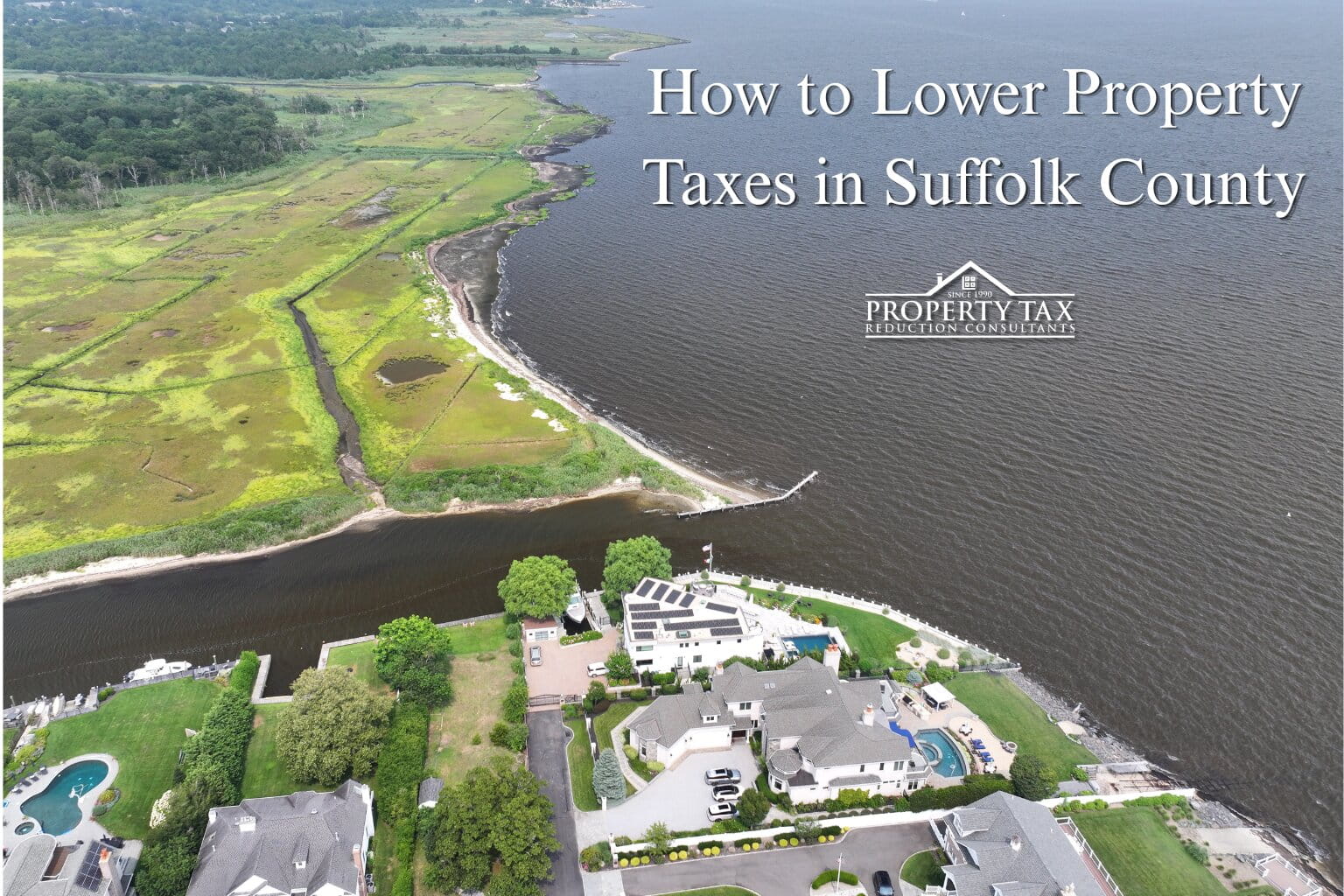
Owning a home in Suffolk County comes with many benefits, but it also means paying some of the highest property taxes in the country. While homeowners cannot control tax rates set by local governments and school districts, they can take steps to ensure they aren't paying more than their fair share.
One of the most effective ways to potentially reduce your property taxes is by reviewing your property's assessed value and filing a property tax grievance if your home has been over-assessed. Many homeowners assume their assessment is automatically accurate, but assessments don't always reflect current market conditions.
This guide explains how property taxes work in Suffolk County, how to identify signs of an over-assessment, and what you can do to potentially lower your annual tax bill.
Understanding How Property Taxes Work in Suffolk County
Your annual property tax bill is generally determined by two key factors:
- The assessed value of your property
- Tax rates established by your town, school district, county, and special taxing districts
Although you cannot change the tax rates themselves, you can challenge the assessed value if you believe it exceeds your home's fair market value.
An inflated assessment can result in paying more property taxes than necessary year after year.
Why Homeowners May Be Paying Too Much
Property assessments are intended to estimate your home's taxable value, but they don't always keep pace with changing market conditions.
Several situations may result in an assessment that's higher than your home's actual value:
- Home prices in your neighborhood have declined.
- Comparable homes are assessed at lower values.
- Your property's characteristics are recorded incorrectly.
- Market conditions have changed significantly since the last valuation.
- Previous improvements were overvalued.
Even a relatively small over-assessment can translate into hundreds or even thousands of dollars in additional property taxes over time.
Signs Your Property May Be Over-Assessed
Not every assessment is inaccurate, but several warning signs may indicate it's worth taking a closer look.
Your Assessment Is Higher Than Similar Homes
Compare your property with homes that are similar in:
- Square footage
- Lot size
- Age
- Style
- Location
- Overall condition
If similar homes carry noticeably lower assessments, your property may be overvalued.
Your Home's Market Value Is Lower Than Its Assessment
Recent home sales often provide valuable insight into current market value.
If homes similar to yours have recently sold for less than your assessed value, you may have grounds to challenge the assessment.
Your Assessment Increased While Home Values Stayed Flat
Real estate markets naturally fluctuate.
If local home prices have remained relatively stable or declined but your assessment increased significantly, it may warrant further review.
Your Property Records Contain Errors
Assessment records occasionally include incorrect information, such as:
- Incorrect living area
- Extra bedrooms or bathrooms
- Finished basements that don't exist
- Additional structures listed incorrectly
- Incorrect lot dimensions
These errors can increase your assessed value unnecessarily.
Steps to Lower Property Taxes in Suffolk County
1. Review Your Property Assessment
The first step is reviewing your property's assessment notice carefully.
Look for:
- Incorrect property details
- Missing information
- Overstated improvements
- Assessment values that appear inconsistent with your home's condition
Correcting factual errors can strengthen your case if you decide to file a grievance.
2. Research Comparable Home Sales
Gather evidence showing what similar homes in your neighborhood have recently sold for.
The strongest comparable properties are those that closely match your home in terms of:
- Size
- Age
- Location
- Lot dimensions
- Features
- Overall condition
Comparable sales are one of the most persuasive forms of evidence during the grievance process.
3. Determine Whether Filing Makes Sense
Not every assessment justifies a grievance.
However, filing may be worthwhile if:
- Your home's assessed value appears higher than market value.
- Comparable homes have lower assessments.
- Your assessment increased despite stable market conditions.
- Property records contain inaccuracies.
Even if you're uncertain, reviewing your assessment each year can help identify potential savings opportunities.
4. File a Property Tax Grievance
If your research suggests your assessment is too high, you can formally challenge it through the property tax grievance process.
A grievance asks the reviewing authority to reconsider your property's assessed value using supporting evidence.
Understanding deadlines, documentation requirements, and valuation methods can improve the strength of your case.
Learn more about the process by visiting PTRC's Long Island Property Tax Grievance.
What Happens After You File?
Once your grievance has been submitted, the reviewing authority evaluates your property and supporting documentation.
This review typically considers:
- Comparable home sales
- Property characteristics
- Current market conditions
- Assessment methodology
The outcome may include:
- A reduced assessment
- No adjustment
- A partial reduction
Each case is reviewed individually based on the available evidence.
Common Mistakes Homeowners Make
Avoiding common mistakes can improve your chances of a successful grievance.
Waiting Until the Last Minute
Preparing a strong grievance takes time.
Starting early gives you more time to gather evidence and review your assessment.
Using Poor Comparable Sales
Comparable homes should closely resemble your own.
Choosing homes from different neighborhoods or with significantly different features may weaken your case.
Assuming Every Renovation Raises Taxes
Many homeowners believe any home improvement automatically leads to higher taxes.
Assessments are based on market value, not simply renovation costs.
Filing Without Supporting Documentation
Simply believing your taxes are too high is not enough.
Supporting evidence such as comparable sales and accurate property records helps demonstrate why an assessment should be reconsidered.
Should You Work With a Property Tax Grievance Professional?
Although homeowners may file a grievance themselves, many choose to work with experienced professionals.
Property tax specialists can help by:
- Reviewing your assessment
- Identifying potential valuation issues
- Researching comparable properties
- Preparing supporting documentation
- Managing filing requirements and deadlines
Professional guidance can simplify the process while helping homeowners present a stronger case.
If you're looking for assistance with reducing your property taxes in Suffolk County, learn more about PTRC's services here:
Frequently Asked Questions
Can I challenge my Suffolk County property assessment every year?
- Yes. Property assessments can change over time, and homeowners may review their assessment annually to determine whether filing another grievance is appropriate.
Does filing a grievance guarantee lower taxes?
- No. Every grievance is reviewed individually, and any reduction depends on the evidence supporting your property's value.
Is challenging my assessment the same as disputing my tax bill?
- No. A grievance challenges the assessed value of your property—not the tax rates established by local taxing authorities.
How long does the grievance process take?
- Timelines vary depending on the reviewing authority and the number of cases being processed.
Is there any risk to filing a grievance?
- Most homeowners simply request a review of their property's assessed value. Understanding the process and providing accurate documentation helps ensure your case is evaluated fairly.
Reduce Your Suffolk County Property Taxes With Confidence
Property taxes are one of the largest ongoing expenses of homeownership, but an assessment that's higher than your home's market value doesn't have to be permanent.
By reviewing your assessment, comparing your property with similar homes, and understanding the grievance process, you may be able to reduce your annual property tax burden.
If you believe your property may be over-assessed, PTRC can help guide you through the process.
Learn more by visiting:
- Suffolk County Property Tax Reduction: https://ptrc.com/suffolk-county-property-tax-reduction
- Long Island Property Tax Reduction: https://ptrc.com/long-island-property-tax-reduction
- Long Island Property Tax Grievance: https://ptrc.com/long-island-property-tax-grievance
Return
