Highest Property Tax Areas on Long Island (And Why)
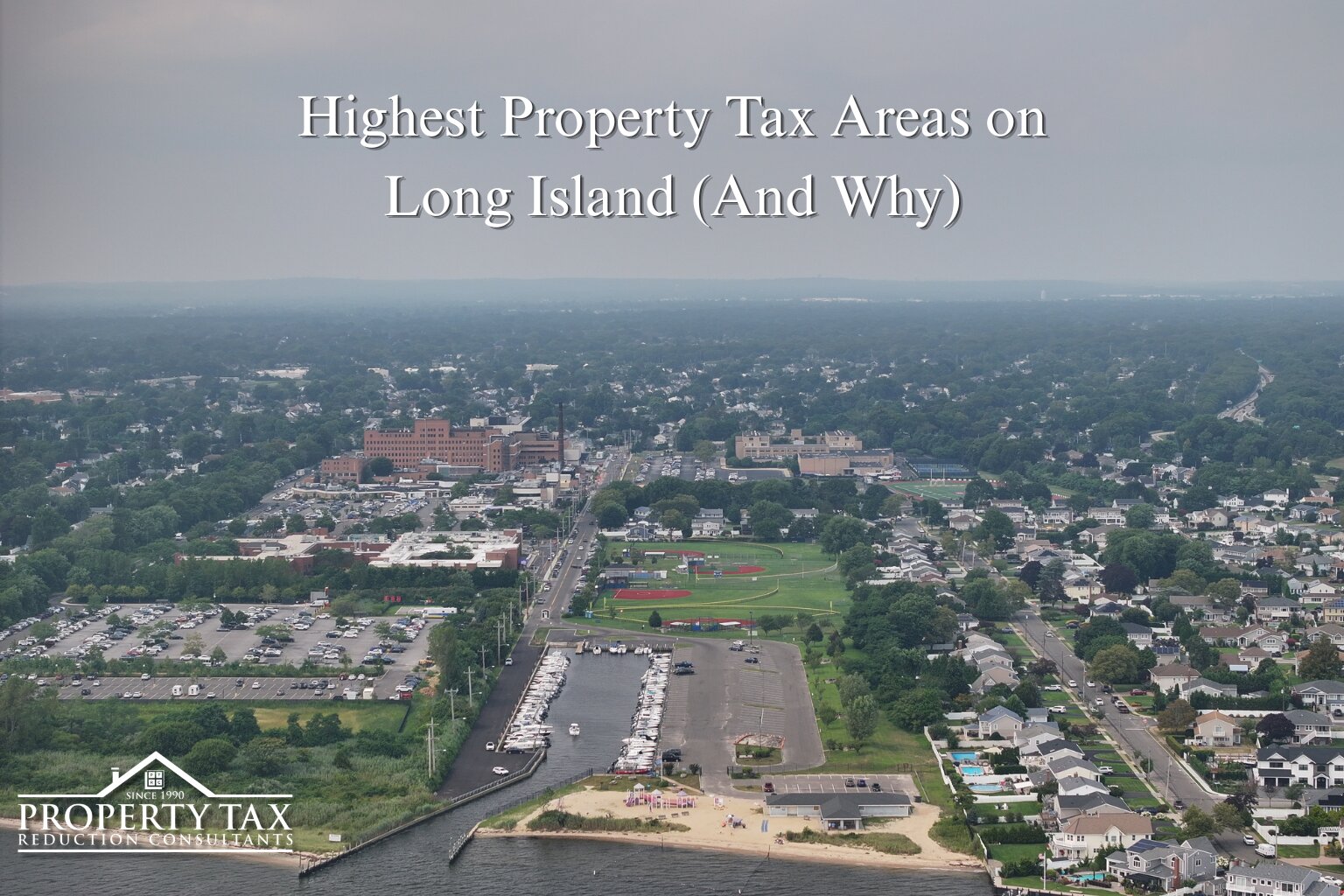
Long Island is known for excellent schools, beautiful neighborhoods, and strong property values but it’s also known for having some of the highest property taxes in the country.
For homeowners in Nassau County and Suffolk County, property taxes can dramatically affect affordability and long-term financial planning. In some communities, annual tax bills can reach tens of thousands of dollars.
But why are some areas taxed more heavily than others? And are those taxes always fair?
This guide explores the highest property taxes Long Island homeowners face, what drives those costs, and how firms like P.T.R.C. Inc. help homeowners reduce over-assessments.
Why Property Taxes Are So High on Long Island
Several factors contribute to high property taxes across Long Island.
School District Funding
A large portion of property taxes goes toward funding public schools. Long Island school districts are highly rated, but maintaining them requires significant funding.
Local Government Services
Taxes also support:
- Police and fire departments
- Road maintenance
- Libraries and sanitation services
High Property Values
Long Island’s competitive housing market means homes often carry high assessed values, which can increase taxes.
Infrastructure and Public Services
Older infrastructure and densely populated suburban areas require ongoing municipal investment.
The Highest Property Tax Areas in Nassau County
Certain Nassau County communities consistently rank among the highest-taxed areas.
High-Tax Communities
Areas with large homes, strong school districts, and high property values often generate the largest tax bills.
School District Impact
School taxes make up the majority of many Nassau County tax bills, especially in districts with extensive educational programs and facilities.
Housing Market Influence
As property values rise, assessments often follow leading to increased taxes unless challenged.
P.T.R.C. Inc. frequently helps homeowners in high-tax Nassau communities identify over-assessments and pursue reductions.
The Highest Property Tax Areas in Suffolk County
Suffolk County also contains many areas with rapidly rising taxes.
Areas With Rising Assessments
Communities experiencing housing demand growth often see assessment increases tied to rising sale prices.
Regional Tax Differences
Property tax levels vary significantly depending on:
- School districts
- Townships
- Local municipal budgets
Local Budget Pressures
Infrastructure improvements and growing service costs can increase tax levies over time.
Why Two Nearby Areas Can Have Very Different Taxes
Even neighboring communities can have dramatically different tax bills.
- School District Boundaries
Crossing into another district may significantly change your tax rate.
- Municipal Budgets
Towns and villages set different budgets and service levels.
- Assessment Practices
Assessment methods and reassessment schedules vary between municipalities.
- Equalization Rates
Different equalization rates can create uneven tax burdens between similar homes.
P.T.R.C. Inc. helps identify unfair assessment disparities that many homeowners never notice.
How High Property Taxes Affect Homeowners
High property taxes impact more than just your yearly bill.
- Monthly Housing Costs. Taxes directly affect mortgage escrow payments and monthly affordability.
- Home Affordability. Rising taxes can make it harder for buyers to afford homes in high-demand areas.
- Long-Term Financial Planning. For retirees and fixed-income homeowners, increasing taxes can create significant financial pressure.
Are High Property Taxes Always Accurate?
Not necessarily.
- Over-Assessments Are Common. Many homes are assessed above actual market value.
- Market Shifts Aren’t Always Reflected. Assessments may remain inflated even after market conditions change.
- Annual Review Is Important. Homeowners who never review or challenge their assessment may overpay for years.
This is why P.T.R.C. Inc. encourages homeowners to review assessments annually and file grievances when appropriate.
What Homeowners Can Do to Lower Their Property Taxes
There are several proactive steps homeowners can take.
- Review Your Assessment. Check for inaccuracies in property records or assessed value.
- Compare Similar Homes. Look at neighboring homes with similar size and features.
- File Grievances Annually. Filing regularly helps maintain fair assessments as markets change.
P.T.R.C. Inc. simplifies the process from start to finish, handling research, filings, and follow-ups.
How P.T.R.C. Inc. Helps Homeowners in High-Tax Areas
Working with P.T.R.C. Inc. gives homeowners a strategic advantage.
- Assessment Review. They analyze your property assessment against current market conditions.
- Market Comparison Analysis. Comparable sales data is used to identify over-assessments.
- Property Tax Grievance Filing. PTRC manages the filing process and deadlines.
- Long-Term Reduction Strategies. They help homeowners maintain fair tax assessments year after year.
Learn more at https://ptrc.com/
FAQs
- Which Long Island towns have the highest property taxes?
Communities with high home values and strong school districts often carry the highest taxes.
- Why are school taxes so high on Long Island?
School districts rely heavily on property taxes to fund operations and programs.
- Can property taxes be lowered?
Yes. Filing a grievance may reduce an over-assessed property value.
- Are tax rates increasing every year?
They can rise due to increased budgets, assessments, and service costs.
- Do high taxes affect home values?
Yes. High taxes can impact affordability and buyer demand.
- Should homeowners file grievances every year?
Many experts recommend annual review and filing when appropriate.
Conclusion: High Taxes Don’t Mean You Have to Overpay
While Long Island is known for high property taxes, that doesn’t mean every homeowner is paying the correct amount.
Over-assessments, unequal valuations, and changing market conditions can all lead to unnecessary overpayment.
By reviewing your assessment regularly and working with experienced professionals like P.T.R.C. Inc., you can ensure you’re paying only your fair share and potentially save thousands over time.
Visit https://ptrc.com/ to review your assessment and explore your property tax reduction options today.
Return
