
5 Long Island Home Upgrades That Trigger a Property Tax Increase
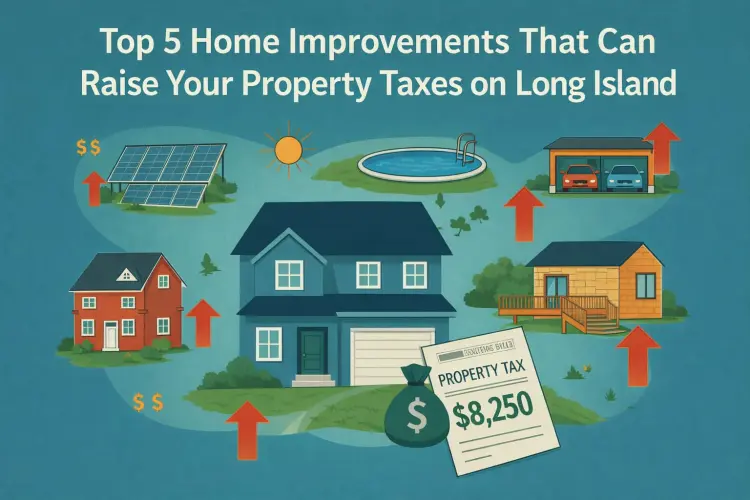
Updating your home can boost comfort, curb appeal, and resale value - but on Long Island, certain renovations can also lead to higher property taxes. Before starting a major project, it’s important to understand how the county assesses value and which upgrades may trigger a reassessment.
Here are the top five home improvements that can increase property taxes for Long Island homeowners.
1. Home Extensions & Additions
Adding square footage—such as a new bedroom, expanded kitchen, larger living room, or second-story addition—almost always raises your home’s assessed value.
More livable space = higher home value = higher taxes.
Why:
Local assessors typically look at the size and usability of your home. Increasing total square footage makes the home more valuable compared to similar properties.
2. Finished Basements and Living Spaces
While unfinished basements don’t count fully toward assessed value, a finished basement adds functional space that may be considered in the assessment.
Examples of taxable improvements:
- Adding bathrooms
- Building a home office
- Creating a media room or gym
- Installing egress windows
Even if the basement isn’t included in the official square footage, the added features can still influence taxes.
3. In-Ground Swimming Pools
A new in-ground pool almost always increases property taxes on Long Island.
Above-ground pools may have less impact, but in-ground installations require permits and are viewed as luxury additions.
Why:
Pools increase market value and add to the home’s amenities, which can make your assessment jump.
4. Decks, Patios, and Outdoor Structures
Outdoor living has become a major selling point. When you add a deck, patio, or large porch, assessors often consider it an upgrade.
Factors that influence the tax increase:
- Size of the structure
- Materials (e.g., composite vs pressure-treated)
- Whether it's attached or detached
- Additional features like railings or roofing
5. Major Kitchen or Bathroom Renovations
Cosmetic updates typically don’t increase taxes—but high-end, structural remodels might.
Renovations that can trigger reassessment:
- Moving plumbing or walls
- Expanding the size of the room
- Upgrading to premium fixtures and finishes
If the remodel substantially increases your home’s market value, the county may adjust your taxes.
Managing Property Tax Increases After Home Renovations
Before starting any renovation, it’s wise to consider home value vs taxes. Even improvements that make your home more enjoyable can increase your yearly tax bill.
If your property taxes seem too high after remodeling—or you feel your home is over-assessed—P.T.R.C., Inc. can help. Our team has over 30 years of experience filing successful grievances for Long Island homeowners.
Contact P.T.R.C., Inc. to review your property and find out if you qualify for a tax reduction.
FAQ About Property Tax Increases
Will renovating my Long Island home raise my property taxes?
Improvements that add value, such as additions, finished basements, in-ground pools, and garages, can increase your assessed value and your taxes. The increase depends on how much value the assessor believes the project added.
How do assessors find out about home improvements?
Building permits filed with your town or village are typically shared with the assessor’s office. Assessors may also review sale listings and conduct property inspections.
Do repairs and maintenance increase property taxes?
Routine repairs that maintain your home, such as painting, fixing a roof, or replacing worn fixtures, generally do not increase your assessment. Projects that add living space or new features are the ones most likely to.
When does a new assessment take effect after an improvement?
Assessments are based on your home’s condition on the taxable status date, which is January 2 in Nassau County and March 1 in most Suffolk towns. An improvement finished before that date may appear on the next assessment roll.
Can I grieve my taxes after an improvement raises my assessment?
Yes. If the new assessment overstates your home’s value compared with similar homes, you can file a grievance. It’s common for improvements to be over-valued.
Why did my property taxes go up if I didn’t make any changes?
Tax bills can rise because of school and district budget increases, changes in market values across your area, or the loss of an exemption. A grievance can confirm whether your assessment is still fair.
Return
